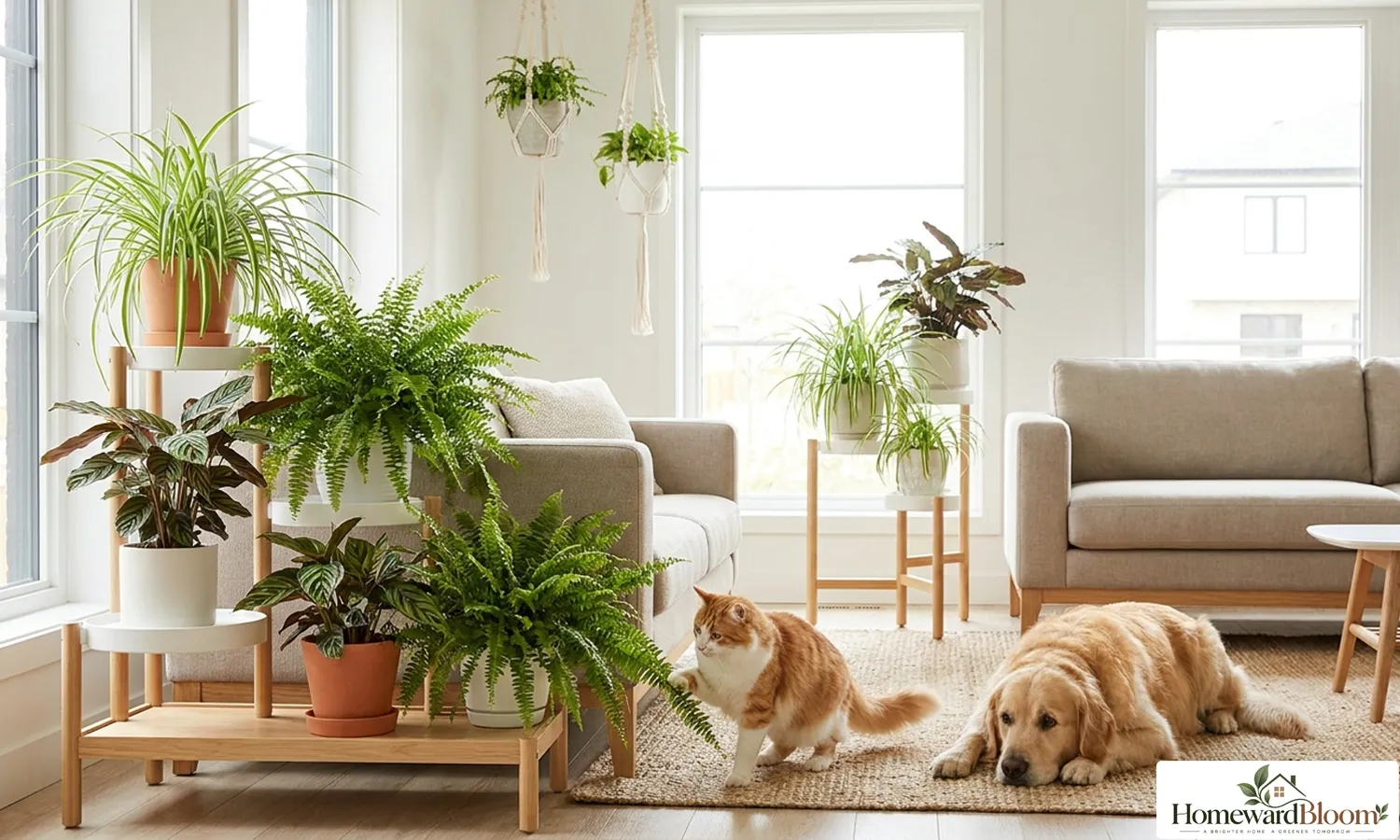
Combining plant parenthood with pet parenthood brings life, color, and fresh air into your living space. However, creating a beautiful indoor garden requires careful planning to protect curious cats and dogs from accidental poisoning. Choosing pet-safe houseplants ensures that your furry companions remain safe even if they decide to investigate or nibble on your indoor greenery. At the same time, identifying hidden household toxins helps you build a secure environment across every room of your home.
| Key Takeaways Select Non-Toxic Flora: Popular options like Spider Plants, Calatheas, Boston Ferns, Peperomias, and Echeveria succulents are completely non-toxic to cats and dogs. Remove High-Risk Plants: Highly dangerous plants like Sago Palms, Lilies, Aloe Vera, Snake Plants, and Jade should be kept entirely out of pet-accessible areas. Recognize Everyday Home Hazards: Beyond flora, human prescription drugs, chocolate, xylitol, antifreeze, rodenticides, and concentrated bleach pose severe health risks to pets. Implement Pet-Proofing Solutions: Use hanging planters, heavy cachepots, diluted citrus sprays, soil coverings like pinecones, and cat grass to protect both your foliage and your pets. Act Quickly in Emergencies: If ingestion occurs, immediately clear remaining plant material, preserve a sample, and call your veterinarian or an animal poison hotline. |
What Is Plant Toxicity in Pets?
Plant toxicity occurs when a pet ingests or comes into physical contact with harmful botanical compounds that disrupt normal bodily functions. Poisonous plants contain natural defense chemicals—such as saponins, insoluble calcium oxalate crystals, or toxic saps—that cause reactions ranging from local tissue irritation to organ failure. In contrast, non-toxic plants contain no poisonous compounds, making them far safer for households with pets.
| Feature | Pet-Safe Houseplants | Toxic Indoor Plants |
| Chemical Composition | Free of toxic alkaloids, sapogenins, or severe irritants. | Contains active toxins like aloin, saponins, or calcium oxalates. |
| Ingestion Outcome | Generally harmless; large amounts may cause brief, mild indigestion. | Triggers symptoms ranging from drooling to organ damage or death. |
| Contact Effects | Gentle on paws, skin, and mouth tissue. | Saps can cause chemical burns, rashes, or severe oral pain. |
| Examples | Spider Plant, Calathea, Boston Fern, Peperomia, Haworthia. | Sago Palm, Lilies, Snake Plant, Jade Plant, Euphorbia. |
Is Boston Fern Toxic to Cats and Dogs?
According to ASPCA toxicity guidelines, the classic Boston Fern (Nephrolepis exaltata) is entirely non-toxic to both cats and dogs. It does not contain systemic poisons, making it a reliable choice for pet owners. While Boston Ferns will not poison your pets, ingesting large quantities of foliage can still cause mild stomach upset, vomiting, or diarrhea. The coarse, fibrous fronds can also cause minor throat and mouthirritation when swallowed. To keep fronds full and prevent digestive discomfort, place your fern in hanging baskets or on high plant stands.
It is vital to distinguish the true Boston Fern from other plants carrying the ‘fern’ name that are hazardous to pets:
- Asparagus Fern: Contains a toxic steroid compound called sapogenin in its foliage and berries, causing abdominal pain, vomiting, and diarrhea.
- Foxtail Fern: Belongs to the Asparagaceae family and causes severe digestive distress upon ingestion, while its sap triggers skin irritation.
- Poison Hemlock: A fern-like wild plant containing coniine, a severe toxin that leads to muscle spasms, seizures, and fatal respiratory failure.
Which Indoor Plants Are Safe for Cats and Dogs?
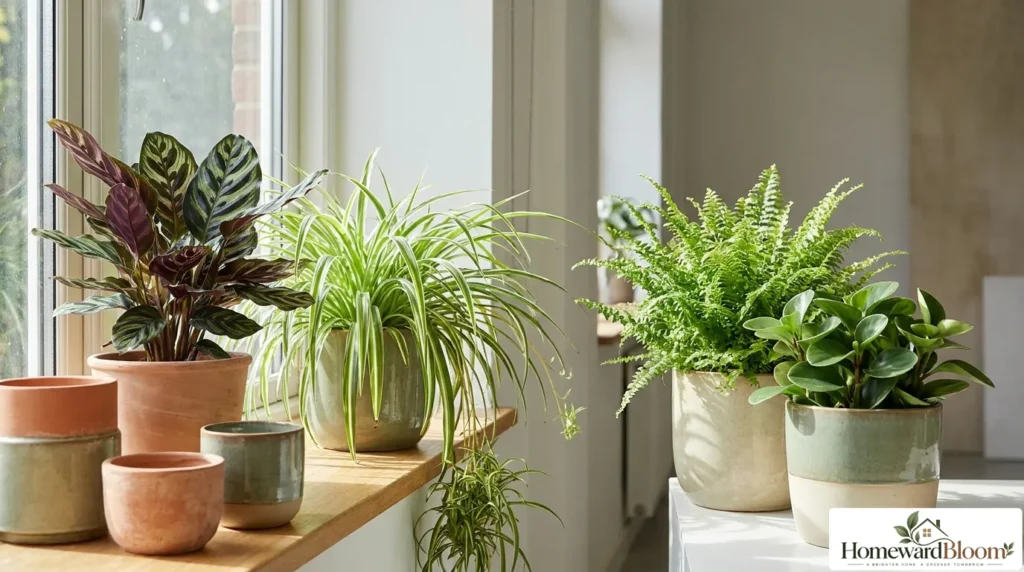
The safest pet-safe houseplants include Spider Plants, Calatheas, Peperomias, true ferns, non-toxic succulents, and select trailing tropicals. According to plant safety data verified by veterinary groups, these species contain no hazardous chemical agents.
Top Non-Toxic Houseplant Categories
- Spider Plant (Chlorophytum comosum): Listed as non-toxic to cats, dogs, and horses by the ASPCA, this resilient species handles variable lighting effortlessly. Elevation is recommended to keep dangling leaves out of reach.
- Calathea (Goeppertia species): Known for vibrant, patterned leaves, Calatheas thrive in medium to low indirect light. Varieties like Vittata and Lemon Lime Prayer Plants add striking color without toxicity risks.
- Peperomia Group: Highly beginner-friendly with thick foliage that retains moisture. Species like Hope Peperomia and String of Turtles (Peperomia prostata) adapt well to desks, shelves, and hanging displays.
- Pet-Safe Succulents: While animals often avoid succulents due to their taste, safe options include Echeveria, Sempervivum, Haworthia, and hardy Sedum.
- Pet-Safe Trailing Plants: For vertical greenery without relying on toxic pothos, choose Goldfish Plant, Hoya Hindu Rope, Watermelon Dischidia, Trailing Watermelon Begonia, or Burro’s Tail.
- Additional Safe Choices: Polka Dot Plants, Chinese Money Plants (Pilea peperomioides), Cast Iron Plants, and true ferns like Kangaroo Paw Fern grow comfortably in pet-friendly homes.
Which Indoor Plants Are Toxic to Pets?
The most toxic indoor plants for pets include Sago Palms, Lilies, Snake Plants, Jade Plants, Aloe Vera, and Golden Pothos. Ingesting these plants can trigger serious symptoms ranging from gastrointestinal burning to organ failure.
Dangerous Plant Profiles
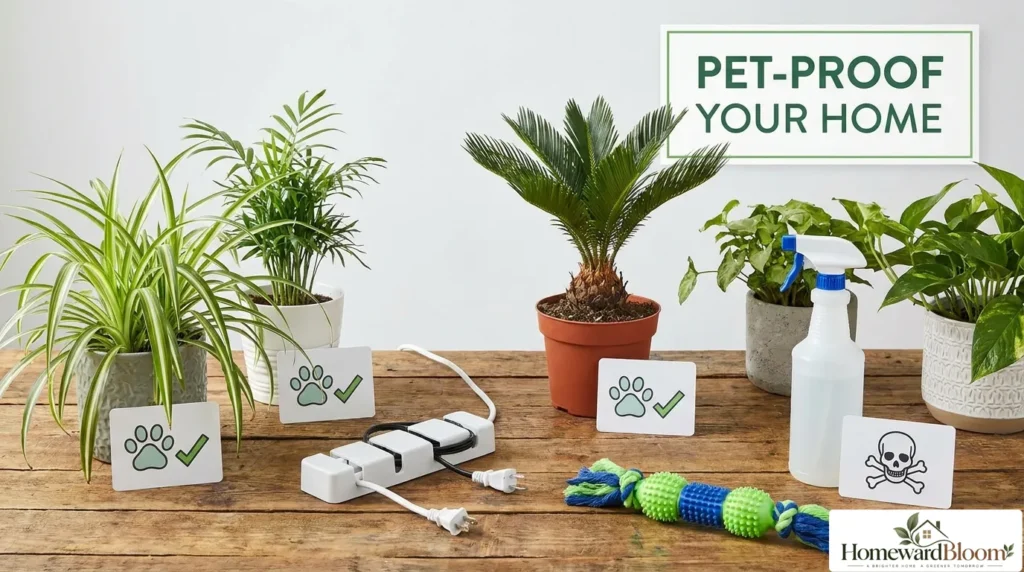
- Sago Palm (Cycas species): Recognized as one of the most poisonous household plants for dogs. Every part of the plant—especially the seeds and nuts—contains severe toxins that cause intestinal damage, seizures, liver failure, and death.
- True Lilies (Lilium and Hemerocallis): Exceptionallly dangerous to cats. Consuming even small amounts of leaf or pollen material causes fatal kidney failure.
- Snake Plant / Mother-in-Law’s Tongue (Sansevieria): Contains natural saponins, causing nausea, drooling, vomiting, and diarrhea.
- Aloe Vera: While topical gel is used for skin care, ingesting the leaf outer layer releases aloin. This bitter yellow liquid causes lethargy, diarrhea, vomiting, and red-tinted urine.
- Euphorbia Species: Contains a caustic white latex sap that burns mouth tissue and causes severe digestive distress.
- Jade Plant (Crassula): Consuming Jade leaves leads to lethargy, uncoordinated movements, dry-heaving, and persistent vomiting.
- Golden Pothos & Philodendron: Packed with sharp calcium oxalate crystals that pierce oral membranes, causing intense burning, swelling, and drooling.
- Kalanchoe: Contains cardiac glycosides that irritate the mouth and disrupt normal digestion, with symptoms appearing 12 hours to 5 days post-ingestion.
- String of Pearls (Senecio rowleyanus): Causes lethargy, vomiting, and severe diarrhea in pets.
Common Household Hazards Beyond Plants
According to the American Veterinary Medical Association (AVMA), household pet hazards extend far beyond indoor greenery to encompass human medications, everyday foods, garage chemicals, and cleaning agents.
Key Non-Plant Hazard Groups
- Human Medications: Over-the-counter pain relievers (acetaminophen, ibuprofen, aspirin), prescription drugs, and topical chemotherapy creams containing fluorouracil represent leading causes of fatal pet toxicity.
- Toxic Kitchen Foods: Chocolate, caffeine, xylitol sweetener, garlic, onions, chives, grapes, raisins, and macadamia nuts cause severe organ toxicity or blood disorders.
- Garage & Garden Chemicals: Antifreeze containing ethylene glycol, bromethalin rodent poisons, and lawn fertilizers present severe chemical poisoning hazards.
- Cleaning Agents & Fragrances: Concentrated bleach, essential oils, and liquid potpourri trigger chemical mouth burns, respiratory distress, and central nervous system failure.
How Can You Pet-Proof Your Houseplants and Home?
Effective pet-proofing relies on strategic plant placement, natural deterrents, physical soil barriers, and positive behavioral redirection. Combining these techniques keeps your pet-safe houseplants thriving while preventing damage to your furniture and floor space.
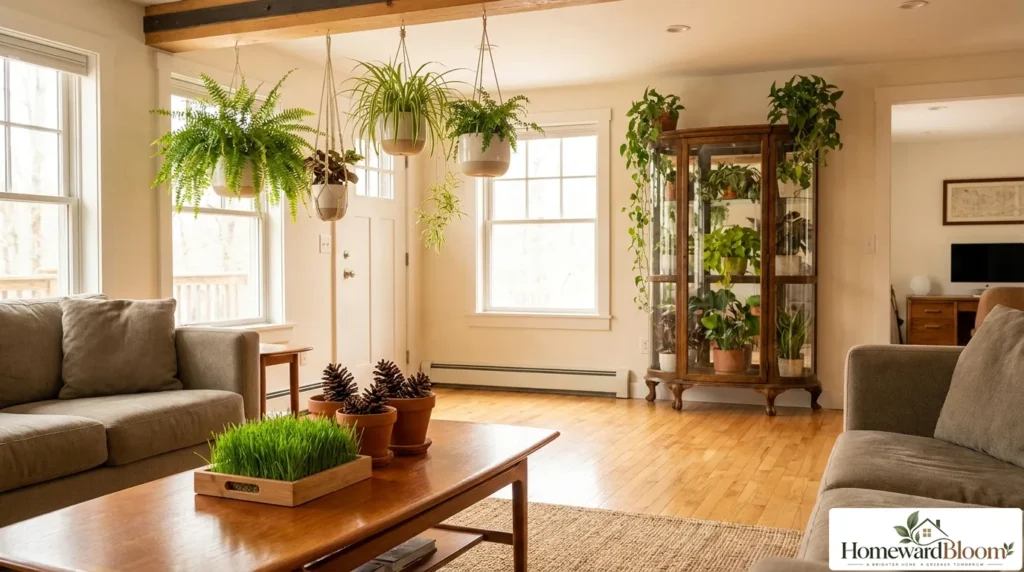
- 1. Utilize Vertical Elevation: Place trailing and foliage plants on high glass shelves, wall-mounted display boards, or ceiling hooks out of jump range. Use heavy, wide-based ceramic cachepots to prevent top-heavy pots from tipping over.
- 2. Apply Citrus Deterrents: Cats dislike citrus scents. Lay fresh lemon or orange peels on top of pot soil, or mist leaves with a diluted solution made from fresh lemon juice. Avoid cayenne pepper or concentrated essential oils.
- 3. Block Soil Access: Stop pets from digging or using pot soil as a litter box by covering topsoil with pinecones, seashells, or burlap. These textures feel uncomfortable on paws while letting water pass through freely.
- 4. Offer Chewing Alternatives: Grow a dedicated tray of vet-approved cat grass to satisfy chewing instincts safely. Distract dogs with durable chew toys or establish a designated outdoor digging spot.
- 5. Secure Household Chemicals: Store all human medications, cleaning supplies, and garden products in latched cabinets. Keep toilet lids closed to prevent pets from drinking treated bowl water.
Emergency Response: What to Do If Your Pet Ingests a Hazard
When you suspect your pet has eaten a toxic plant or chemical hazard, immediate action significantly improves clinical outcomes.
- 1. Remove Access: Take remaining plant material or hazard away from your pet’s mouth immediately.
- 2. Identify the Hazard: Note the exact plant species, product name, estimated quantity eaten, and time of exposure.
- 3. Check Clinical Symptoms: Monitor for drooling, severe vomiting, diarrhea, lethargy, muscle tremors, or uncoordinated movement.
- 4. Do Not Induce Vomiting Unadvised: Avoid forcing your pet to vomit unless explicitly instructed by a veterinary medical professional.
| EMERGENCY POISON CONTROL HELPLINES ASPCA Animal Poison Control Center: Call (888) 426-4435 (Available 24/7/365) Pet Poison Helpline: Call 1-855-764-7661 (Available 24/7/365) Local Emergency Vet: Keep your primary veterinarian and local emergency vet clinic numbers saved in your phone contacts. |
Frequently Asked Questions
The best low-light pet-safe houseplants are Peperomias, Calatheas, Polka Dot Plants, Chinese Money Plants, and true ferns. These species adapt well to filtered, indirect sunlight without posing toxicity risks to indoor cats or dogs.
Yes, non-toxic plants can still cause minor stomach upset if ingested in large quantities. Plant fiber and foliage volume can trigger mild, short-lived vomiting or diarrhea even when the plant contains no poisonous chemical compounds.
The Sago Palm (Cycas species) is widely considered one of the most dangerous indoor plants for dogs. Every part of the plant is highly toxic, and swallowing its seeds or nuts causes severe intestinal bleeding, liver failure, seizures, and death.
No, essential oils and liquid potpourri products are not safe around pets. Concentrated essential oils and liquid potpourri contain chemical ingredients that cause mouth sores, severe digestive illness, and central nervous system damage if swallowed or licked.
Human medications are hazardous because pets metabolize drugs differently than humans. Common over-the-counter pain relievers like acetaminophen and ibuprofen trigger organ failure, while topical chemotherapy creams like fluorouracil cause fatal neurological toxicity in dogs.
If your pet eats a toxic plant, remove remaining plant material from their mouth immediately. Save a leaf sample for identification, note how much was consumed, and call your veterinarian or the ASPCA Poison Control Center at (888) 426-4435 right away.
Conclusion
Maintaining a secure, green home requires choosing pet-safe houseplants, eliminating high-risk chemical hazards, and implementing smart plant placement.