Key Takeaways
- Plant Diversity: Combining nectar-rich flowers, caterpillar host plants, and varied bloom times ensures food for bees and butterflies from early spring through late fall.
- Smart Layouts: Grouping identical flowers into clusters and layering plants by height maximizes foraging efficiency and visual appeal.
- Habitat Needs: Providing nesting structures like hollow-reed bee hotels, bare ground patches, and shallow water stations turns a simple yard into a complete wildlife shelter.
- Chemical-Free Care: Managing pests using companion planting, physical pruning, and water sprays protects beneficial insects from harmful chemical exposures.
Creating a pollinator garden is one of the most effective ways to restore local biodiversity, support declining insect species, and bring vivid natural life into your outdoor space. Animal pollinators contribute directly to one out of every three bites of food humans eat, supporting over 150 essential agricultural crops and up to 95 percent of wild flowering plants. However, insect populations face widespread challenges due to habitat destruction, pesticide overuse, and climate pressure, with research cited by the U.S. Fish and Wildlife Service indicating that 40 percent of insect pollinator species face extinction risks. By designing a dedicated habitat stocked with native flora and sheltering features, you can establish an essential refuge that feeds native bees, swallowtails, monarchs, and hoverflies all season long.
Native Plants vs. Hybrid Cultivars: What is the Difference?
Native plants are regional species that naturally co-evolved alongside local insects, whereas double-flowering hybrid cultivars are human-bred varieties developed primarily for visual traits. According to findings from the Xerces Society for Invertebrate Conservation, double-flowering hybrids contain dense petal clusters that physically block insects from accessing pollen and nectar. Native species grant unhindered access to nutrients, withstand local weather, and require far less supplemental water once established.
Core Design and Layout Strategies for a Pollinator Garden
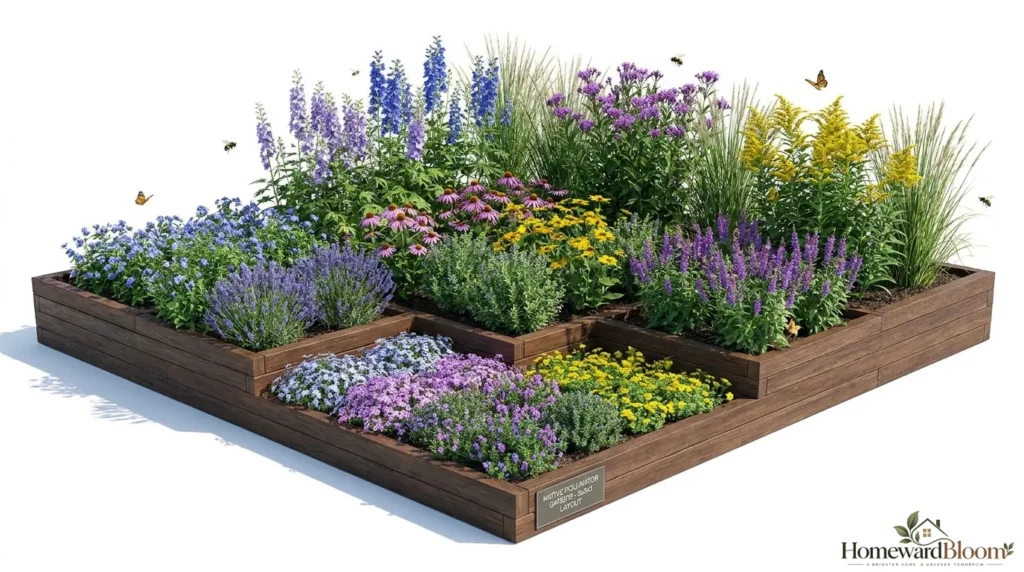
A well-structured garden layout arranges flowers so foraging insects can locate nectar efficiently while conserving energy. Planning plant spacing, heights, and color groupings ensures your backyard plot functions as a productive feeding hub.
1. Implement the 3 x 3 x 3 Starter Layout
The 3 x 3 x 3 system is a structured layout method designed to establish a dense floral patch without overwhelming beginner gardeners. According to Wild Pollinator Partners, this system uses 3 distinct plant species for each of the 3 main blooming seasons (spring, summer, and autumn), placing 3 individual specimens per species for a total of 27 plants. When spaced at one plant per square foot, this layout fills an 8-foot by 4-foot bed that delivers continuous nourishment.
2. Group Flowers into Monotypic Clusters
Clustering flowers of the same species together into dense visual blocks helps insects forage much more efficiently. Guidelines published by the USDA Natural Resources Conservation Service state that grouping identical blossoms reduces the travel distance between flowers, allowing native bees to gather heavy pollen loads quickly.
3. Arrange Vertical Height Layers
Arranging plants by mature height prevents taller foliage from overshadowing low blooms while creating an attractive visual backdrop. In border beds against a wall, place tall species like Culver’s root (Veronicastrum virginicum) at the back and short groundcovers like Prairie Smoke (Geum triflorum) in front. For central island beds, position the tallest plants in the middle and slope downward toward the outer edges.
4. Emphasize Blue, Purple, and Violet Color Palettes
Selecting blossoms in blue, purple, and violet colors makes your floral displays far more visible to foraging bees. Bees possess eyes highly sensitive to ultraviolet wavelengths, drawing them toward rich nectar sources like English lavender (Lavandula angustifolia), anise hyssop (Agastache), and purple coneflower (Echinacea purpurea).
5. Blend Tubular and Flat Floral Structures
Mixing flower shapes accommodates pollinators with varying mouthparts and feeding preferences. Deep tubular blooms like foxglove (Digitalis) and bee balm (Monarda) cater to long-tongued bumblebees and hummingbirds, while flat landing platforms like yarrow (Achillea millefolium) allow easy access for hoverflies and short-tongued native bees.
How Do You Select the Best Native Plants for Bees and Butterflies?
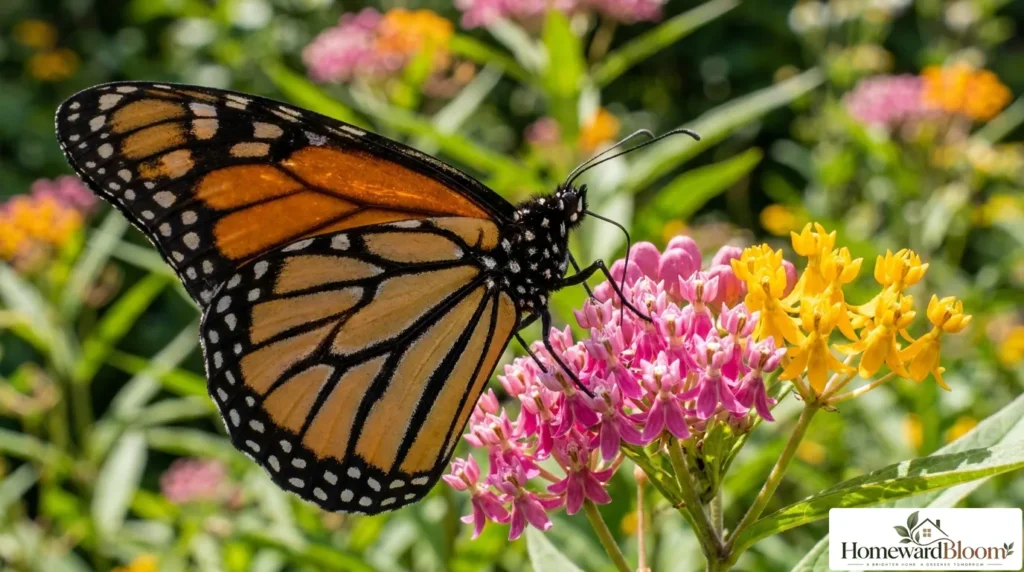
Selecting appropriate native plant species ensures your yard provides rich, non-toxic food tailored to local wildlife. Combining keystone perennials, larval host plants, and late-season composites establishes a resilient ecosystem.
6. Anchor Beds with Regional Keystone Species
Keystone native plants are ecological powerhouses that support the vast majority of local wildlife species. Research from Garden for Wildlife shows that keystone plant species sustain up to 90 percent of butterfly and moth caterpillars and up to 60 percent of native bees in a regional ecoregion. Incorporating key native perennials like goldenrods (Solidago) and asters (Symphyotrichum) maximizes ecological productivity across the local food web.
7. Pair Nectar Flowers with Caterpillar Host Plants
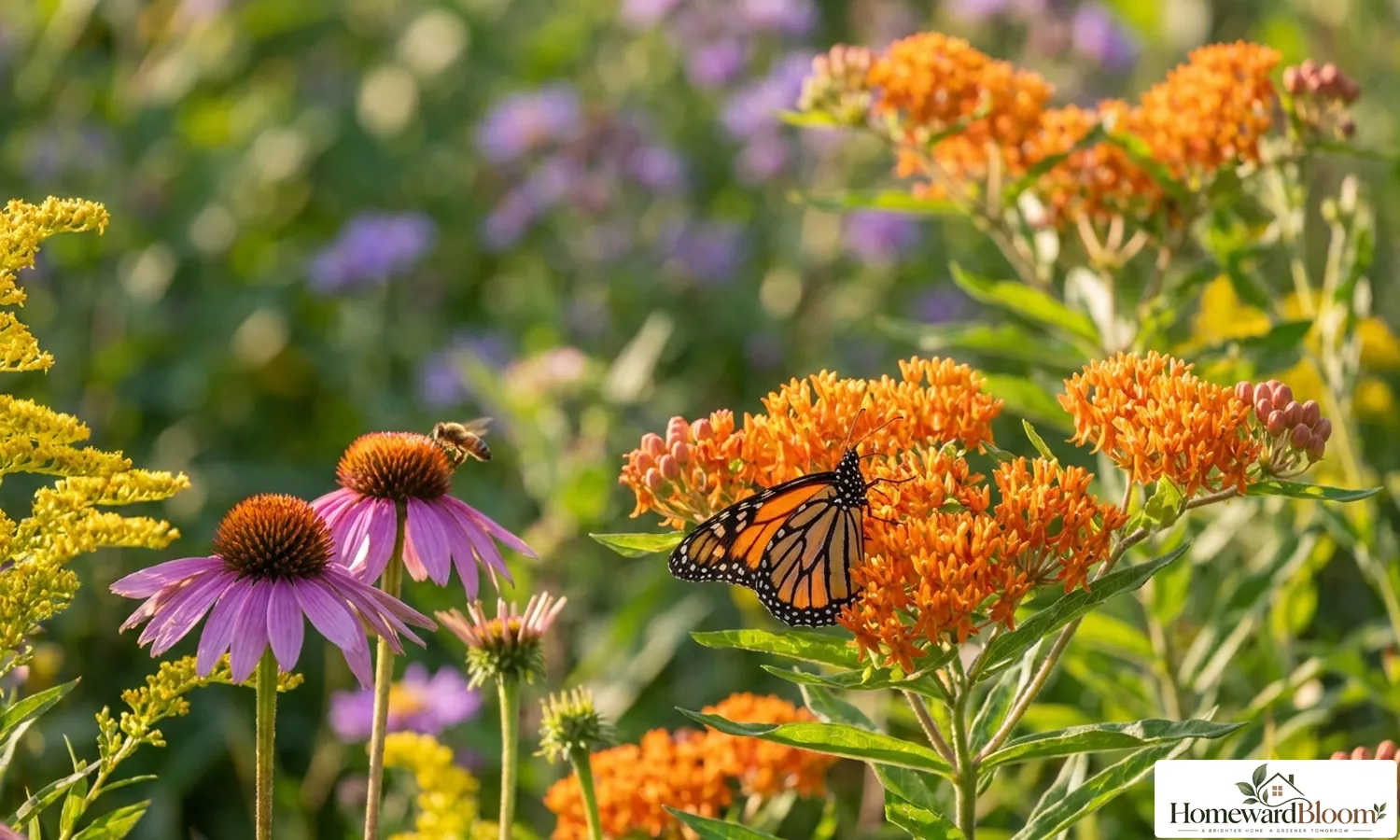
A complete sanctuary must supply liquid nectar for adult insects and host foliage for developing larvae. For instance, adult Monarch butterflies drink nectar from many summer blossoms, but female Monarchs lay eggs exclusively on milkweed (Asclepias sp.) leaves, which caterpillars require to survive. Similarly, Golden Alexander (Zizia aurea) serves as a vital host plant for Black Swallowtail caterpillars.
8. Establish Shady Damp Patches of Native Violets
Growing native violet species (Viola sp.) in moist, shaded garden spots provides essential breeding habitat for fritillary butterflies. Over 30 fritillary butterfly species depend strictly on violet leaves as their caterpillar food source. Female Great Spangled Fritillaries can even detect violet root scents after top foliage wilts in late summer.
9. Integrate Woody Host Shrubs and Native Trees
Native trees and shrubs supply early spring pollen and expansive host space that herbaceous perennials cannot match. Spicebush (Lindera benzoin) hosts caterpillars of the Spicebush Swallowtail and Promethea Silkmoth, while Flowering Dogwood (Cornus florida) offers spring flowers visited by American Snout butterflies.
10. Plant Late-Blooming Composites for Fall Migration
Autumn-flowering native plants deliver crucial fuel for migrating butterflies and overwintering queen bees. Late-season species like New England Aster (Symphyotrichum novae-angliae) and Showy Goldenrod (Solidago speciosa) bloom into late fall, offering abundant nectar when most garden flowers have finished.
11. Eliminate Invasive Species Like Butterfly Bush
Removing invasive plants prevents aggressive non-native species from crowding out valuable wildlife habitat. Although Butterfly Bush (Buddleja davidii) and Purple Loosestrife (Lythrum salicaria) attract adult butterflies, they spread invasively into wetlands and fail to support caterpillar reproduction, harming overall insect populations.
What Nesting and Habitat Features Do Native Pollinators Need?
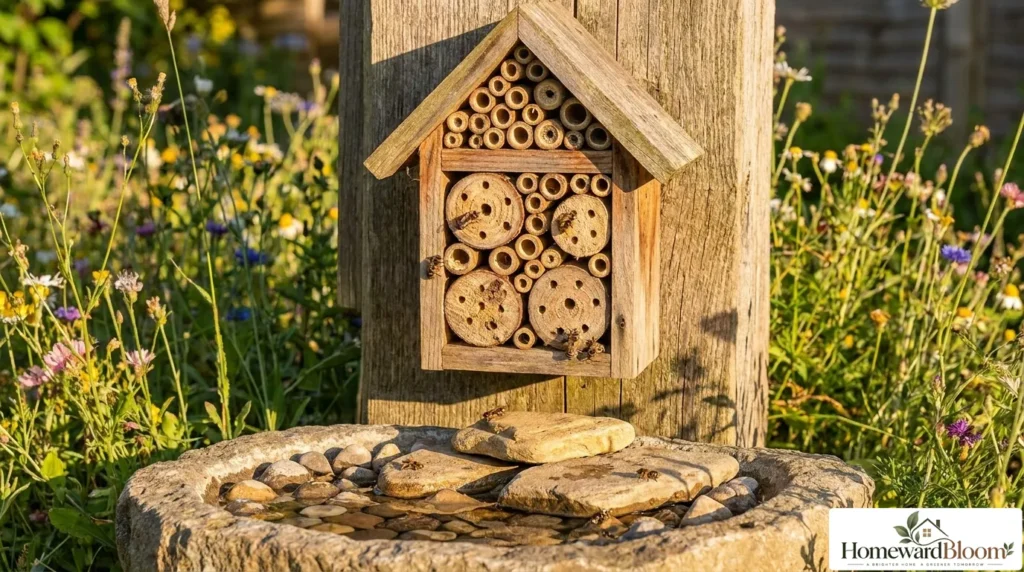
Native pollinators require secure nesting shelter, clean drinking water, and undisturbed ground to complete their life cycles. Adding artificial nests, basking sites, and water features transforms simple garden beds into permanent habitats.
12. Construct a Hollow-Reed Solitary Bee Hotel
A bee hotel provides artificial nesting tunnels for non-aggressive cavity-nesting solitary bees like Mason bees (Osmia) and Leafcutter bees (Megachile). Build an 18-inch by 12-inch frame out of 8-inch spruce or pine boards, then fill it tightly with hollow bamboo or reed tubes cut to 8-inch lengths. Include tubes with 5/16-inch interior diameters, which according to the Ecological Landscape Alliance are preferred by native Mason bees. Mount the box on a sunny wall, protected from wind, and replace old reeds every two years to prevent disease build-up.
13. Preserve Unmulched Bare Soil for Ground Nesters
Leaving small patches of unmulched, undisturbed soil creates essential nesting space for native ground-nesting bees. Approximately 70 percent of North American native bee species—including sweat bees and mining bees—nest underground in bare dirt. Keep mulch away from plant bases as foliage fills in, allowing ground-nesting insects direct soil access.
14. Place Flat Basking Stones for Butterfly Thermoregulation
Positioning broad, flat stones in sunny, wind-protected spots helps cold-blooded butterflies regulate their body temperatures. Butterflies rest on sun-warmed rocks to raise their muscle temperatures before taking flight. Decorating garden stones with colourful painted designs like ladybugs adds visual flair while keeping the basking station functional.
15. Create a Shallow Pebble Water Station
Adding a shallow water station lets bees and butterflies hydrate safely without risk of drowning. Fill a shallow saucer or birdbath dish with clean water, placing smooth pebbles above the water level. These exposed stones serve as sturdy landing perches where insects can drink safely.
16. Retain Winter Stem Duff and Fallen Leaves
Leaving dried plant stems and fallen leaf layers intact over winter protects hibernating insect larvae, pupae, and queen bumblebees. Leaf layers insulate overwintering insects from frost, while hollow stems of native perennials provide secure winter shelter.
What Site Preparation Methods Guarantee Success?
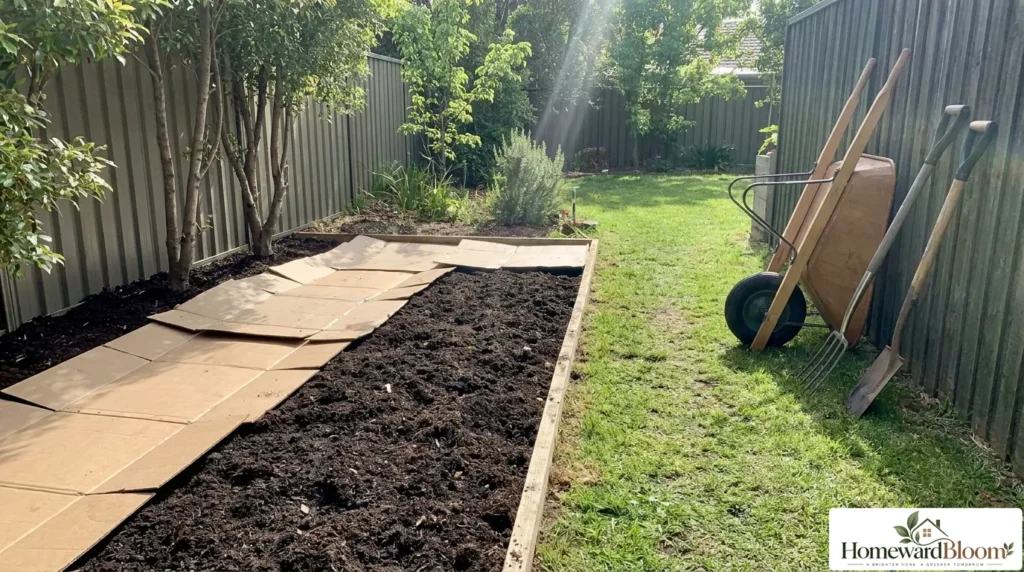
Proper site preparation removes invasive lawn grass and aggressive weeds, establishing a clean bed where native seeds and plant plugs can thrive. Selecting the right preparation method minimizes long-term garden maintenance.
17. Strip Sod Cleanly using a Mechanical Sod Cutter
Sod removal is the fastest way to clear established turf grass when breaking ground for a new garden. Use a sod cutter to slice away the top 2 to 3 inches of turf and roots, slightly lowering the bed below the lawn line. Lightly till the exposed soil and apply untreated hardwood mulch to prevent weed seeds from sprouting.
18. Eliminate Soil Seedbanks with Stale Seedbed Tilling
Stale seedbed tilling brings dormant buried weed seeds to the surface so they can be eliminated prior to planting. Mow existing weeds, till the topsoil, and allow buried seeds to germinate under warm sunlight. Till or hoe the soil lightly 2 to 3 times, spaced one week apart, to exhaust the weed seedbank before setting out native plant plugs.
19. Smother Turf with Organic Newspaper Sheet Mulching
Sheet mulching smothers lawn grass without synthetic chemicals while adding organic material to the soil. Cover the garden area with thick layers of old newspaper, cardboard, or plywood during late summer. Weight the smothering materials down with grass clippings or wood chips to block light, allowing the turf to rot naturally over winter.
20. Align Plant Choices with Soil Moisture Profiles
Selecting native species that match your yard’s natural moisture levels ensures high plant survival without soil amendments. Choose species tailored to one of four moisture zones defined by the NRCS:
- Dry Sites: Sandy, fast-draining soils in full sun; ideal for Prairie Smoke (Geum triflorum) and Butterflyweed (Asclepias tuberosa).
- Savanna Sites: Moist soils receiving 3 to 6 hours of daily sun; suited for Wild Geranium (Geranium maculatum) and Pale Purple Coneflower (Echinacea pallida).
- Wet Sites: Low areas that hold water after rain; perfect for Cardinal Flower (Lobelia cardinalis) and Turtlehead (Chelone glabra).
- Typical Moisture Sites: Well-drained soils with moderate moisture; great for Cream Wild Indigo (Baptisia bracteata) and Showy Goldenrod (Solidago speciosa).
How Can You Protect Pollinators from Pests and Chemical Hazards?
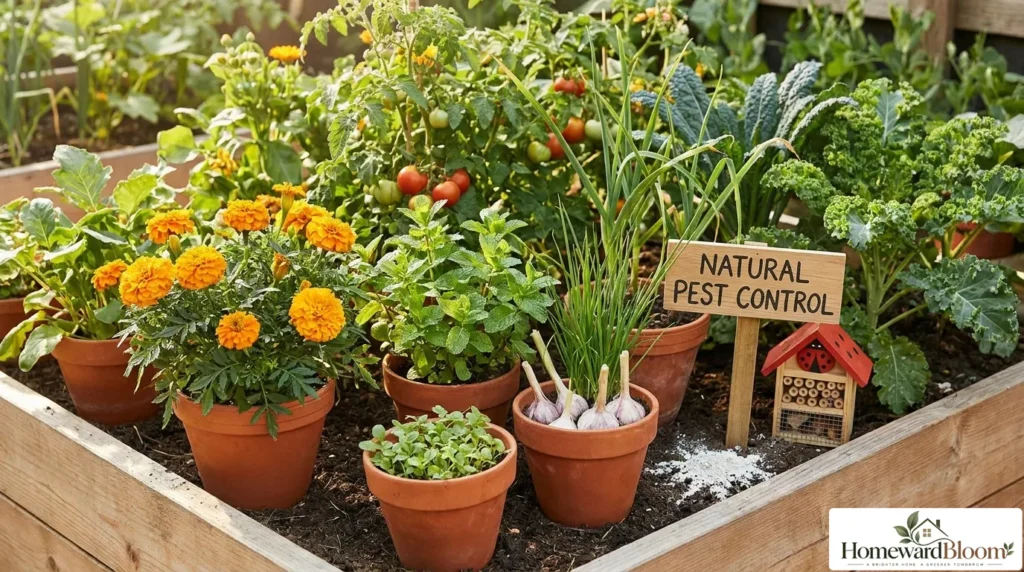
Protecting beneficial garden insects requires controlling destructive agricultural pests without applying synthetic chemical sprays. Using companion herbs, physical removal, and safe soap sprays keeps plants healthy safely.
21. Interplant Garlic, Chives, and Marigolds as Repellents
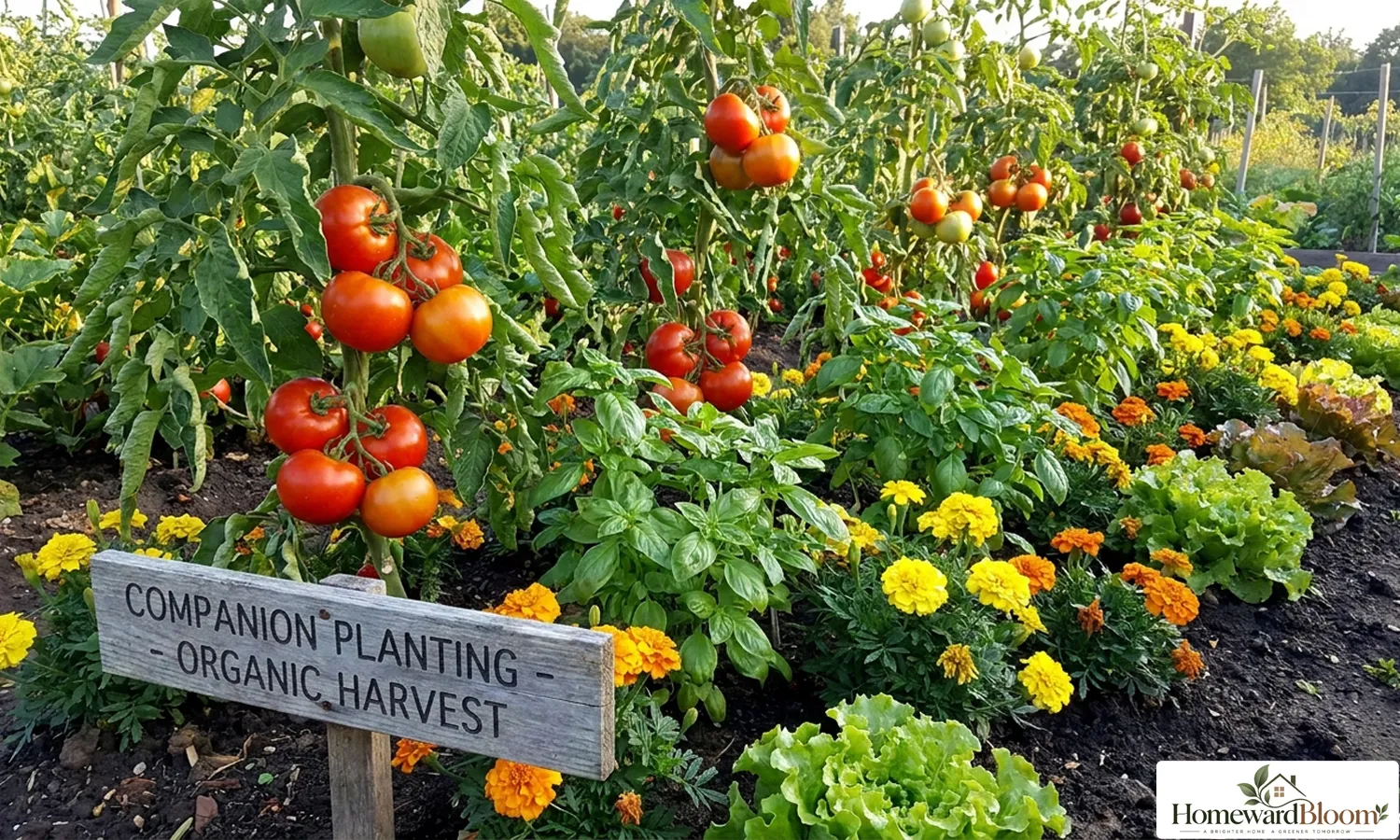
Companion planting uses pungent herbs to repel destructive sap-sucking pests like aphids naturally. Interplanting garlic, chives, and French marigolds throughout flower beds deters aphid infestations while allowing visiting butterflies to forage unharmed.
22. Grow Mint in Strategic Border Containers
Mint (Mentha) releases strong aromatic oils that effectively drive aphids away from nearby host plants. Because mint spreads invasively through underground runners, grow mint plants inside patio pots or border containers placed near vulnerable flowers.
23. Apply Mild Castile Soap Solution Directly Under Leaves
When severe aphid outbreaks occur, target spray treatments strictly to pest clusters to protect beneficial insects. Mix a mild solution of pure castile soap and water, spraying it exclusively on leaf undersides where aphids gather. Never spray soap solutions onto open floral blossoms where bees and butterflies land.
24. Utilize Non-Chemical Physical Removal Techniques
Physical pest control eliminates garden pests instantly without leaving harmful chemical residues behind. Knock aphid clusters off stems using a strong water stream from a hose, wipe leaves clean with a damp towel, or prune off heavily infested foliage using clippers.
25. Reject Systemic Insecticides and Neonicotinoids
Systemic insecticides are absorbed into plant tissues, persisting in pollen, nectar, and leaves for long periods. According to warnings from the U.S. Environmental Protection Agency, systemic pesticides cause sub-lethal damage that impairs bee navigation and weakens immune systems. Always confirm with commercial nurseries that purchased plants have not been treated with systemic chemicals.
Frequently Asked Questions About Building a Pollinator Garden
Native plants co-evolved alongside regional insects, offering optimal nectar compositions and accessible flower shapes. Unlike hybrid cultivars, native species serve as vital caterpillar host plants, withstand regional weather, and require minimal water and fertilizer once established.
A pollinator garden can be tailored to any space, ranging from small patio containers to expansive backyard meadows. Even a compact 8-foot by 4-foot plot using the 3 x 3 x 3 planting system supplies abundant pollen and nectar for neighborhood bees.
Select a balanced combination of early, mid, and late-season native bloomers when designing your garden bed. Planting early crocuses, mid-summer coneflowers, and late-autumn asters ensures continuous food availability for foraging pollinators throughout the entire growing season.
Bee hotels attract gentle, non-aggressive solitary species like Mason and Leafcutter bees, which rarely sting humans. In contrast, aggressive social yellowjackets construct large paper nests underground or in overhead cavities, rather than nesting inside narrow wooden tubes.
Control pests using non-chemical strategies like companion planting with garlic or mint, hand-pruning infested stems, spraying aphids with water hoses, and applying mild castile soap strictly under leaves. Avoid using broad-spectrum synthetic insecticides or neonicotinoids.
Fall is an excellent planting time because cool air reduces transplant shock while warm soil allows root systems to establish before winter. Fall-planted native perennials emerge in spring with strong root structures and bloom earlier during the growing season.
Conclusion
Building a thriving pollinator garden requires combining native nectar plants, caterpillar host foliage, safe pest management, and natural nesting features to create a lasting refuge for regional wildlife.