
1. Introduction: The Backyard as an Extension of Home
In modern landscape design, the garden is no longer viewed merely as a patch of grass behind a house; it is a vital extension of the home. A successful transformation increases the functional “living rooms” of a property, effectively blurring the line between indoor comfort and outdoor natural beauty.
A magical transformation does not require a sprawling estate or an unlimited budget. Instead, it relies on the thoughtful application of art elements—such as colour, line, and form—and fundamental design principles. Whether you are working with a small urban courtyard or a large suburban lot, the goal is to blend human technology with the natural environment to create a space that feels both purposeful and serene. To begin this journey, one must first understand the professional “blueprint” behind great design.
2. The Designer’s Blueprint: Master Landscape Principles
Before you pick up a spade, you must think like a designer. Landscape design is a blend of art and science. By using the following tools, you can move from a cluttered space to a structured sanctuary where the eye knows exactly where to rest.
| Design Tool | Practical Application |
|---|---|
| Negative Space | Leaving specific areas of the garden empty or open. Using negative space isn’t “empty”—it allows the eye to rest and highlights your garden’s best features, preventing a cramped or cluttered feel. |
| Colour Schemes | Using monochromatic (tints of one colour) or complementary (opposite on the wheel) palettes. Warm colours like reds and oranges advance toward the eye, making a space feel intimate, while cool colours like blues and greens recede, making a small garden feel much larger. |
| Line | Creating pathways or bed edges that are either straight or curved. Straight lines are forceful and direct the eye quickly to a focal point; curved or free-flowing lines are gentle and create a relaxing, progressive, and natural feeling. |
| Scale & Proportion | Relating the size of plants and structures to the house and human height. A designer’s secret is the Rule of 2/3: for foundation plantings, ensure the height of the plants at the house corners does not exceed two-thirds of the wall height. This maintains proper proportion so the house is neither dwarfed nor overwhelmed. |
| Form | Choosing plants based on their shape, such as upright, weeping, or spreading. Varying forms prevents monotony and adds structural interest even when plants are not in bloom; for instance, a rounded tree can soften the harsh vertical lines of a building. |
Expert Tips on Landscape Design Planning
Once the theory is understood, it is time to apply these principles to practical, high-impact projects that fit a strict budget.
3. High-Impact DIY Transformations (Under £1,000)
Transforming your garden doesn’t require a £20,000 renovation. The secret to a beautiful space is “doing fewer things well” rather than many things cheaply. These 20 ideas are grouped into tiers to help you plan your investment.
Tier 1: Under £100 (The Quick Wins)
- Fire Pit: Stack retaining wall blocks in a circle on a gravel pad for an instant social hub.
- String Light Canopy: Use weatherproof LEDs to create a virtual “ceiling” for your outdoor room.
- Herb Garden: A raised bed or repurposed pallet filled with basil and rosemary provides scent and utility.
- Bird Feeding Station: A combination of feeders and a birdbath provides endless natural entertainment.
- Compost Bin: Use wire mesh or pallets to create free soil amendments and reduce waste.
Tier 2: £100–£600 (The Transformation Zone)
- Gravel Patio: Use pea gravel and landscape fabric to define a new seating area in a weekend.
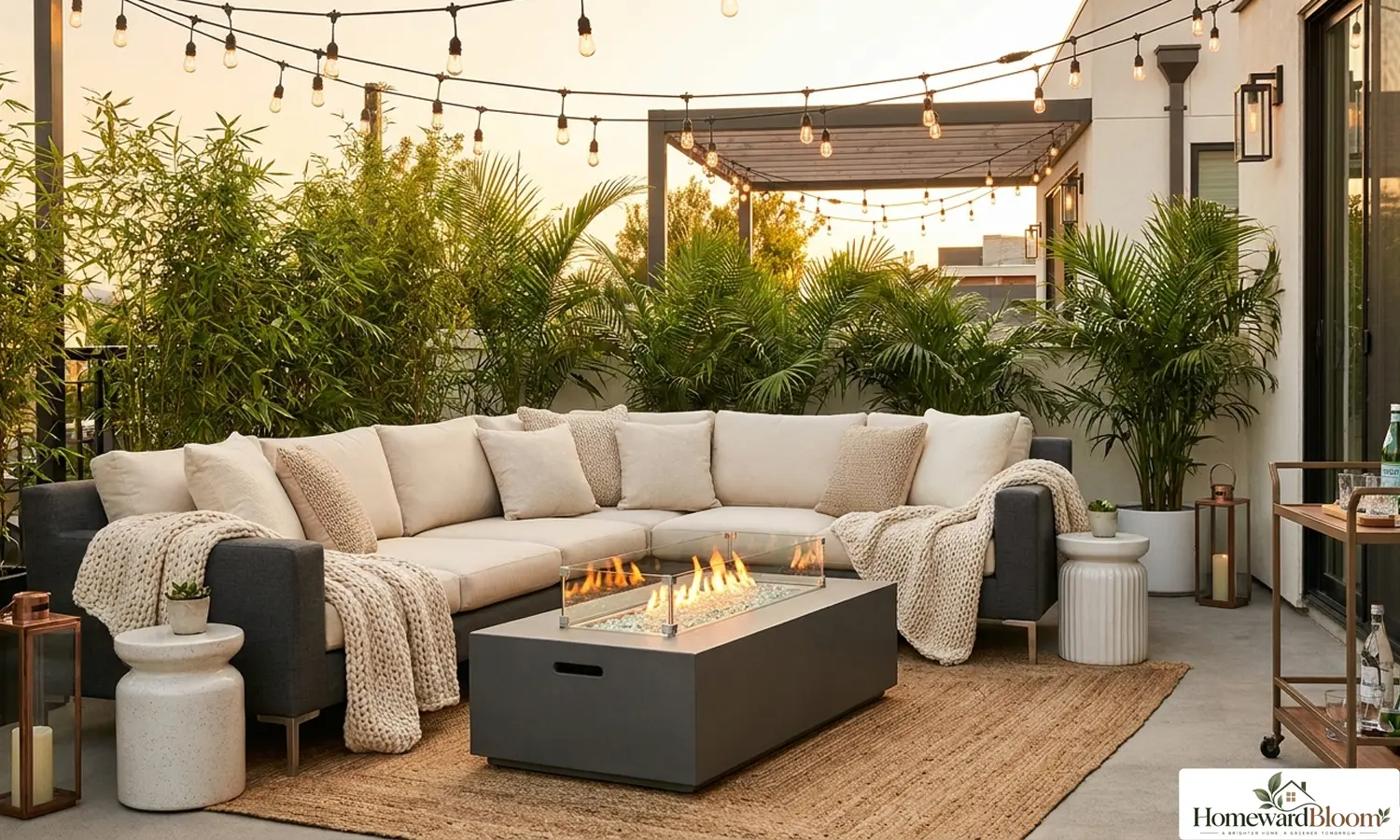
- Privacy Screens: Clumping bamboo in large planters provides instant, 3-metre-high natural screening.
- Butterfly Garden: Native plants like milkweed attract local pollinators and add vibrant colour.
- Hammock Retreat: A simple setup between two trees creates a dedicated relaxation zone.
- Outdoor Movie Screen: A portable projector and a white sheet turn the garden into a theatre.
- Stepping Stone Path: Natural stone set into the lawn guides traffic and protects the grass.
- Rain Garden: A planted depression that captures runoff, preventing erosion beautifully.
- Shade Sail: Fabric sails mounted to the house provide essential UV protection over dining areas.
- Kitchen Prep Station: A repurposed potting bench near the grill keeps utensils and supplies organised.
- Raised Vegetable Garden: Cedar boards and quality soil mix allow for high-yield food production.
Tier 3: £600–£1,000 (The Statement Projects)
- Pergola Kit: A timber structure that defines a lounge area and provides architectural interest.
- Water Feature: A disappearing fountain provides the sound of water with minimal maintenance.
- Flagstone Patio: Natural stone set in sand offers more character and durability than concrete.
- Outdoor Shower: Connect to a hose bib and enclose with timber for a refreshing garden rinse.
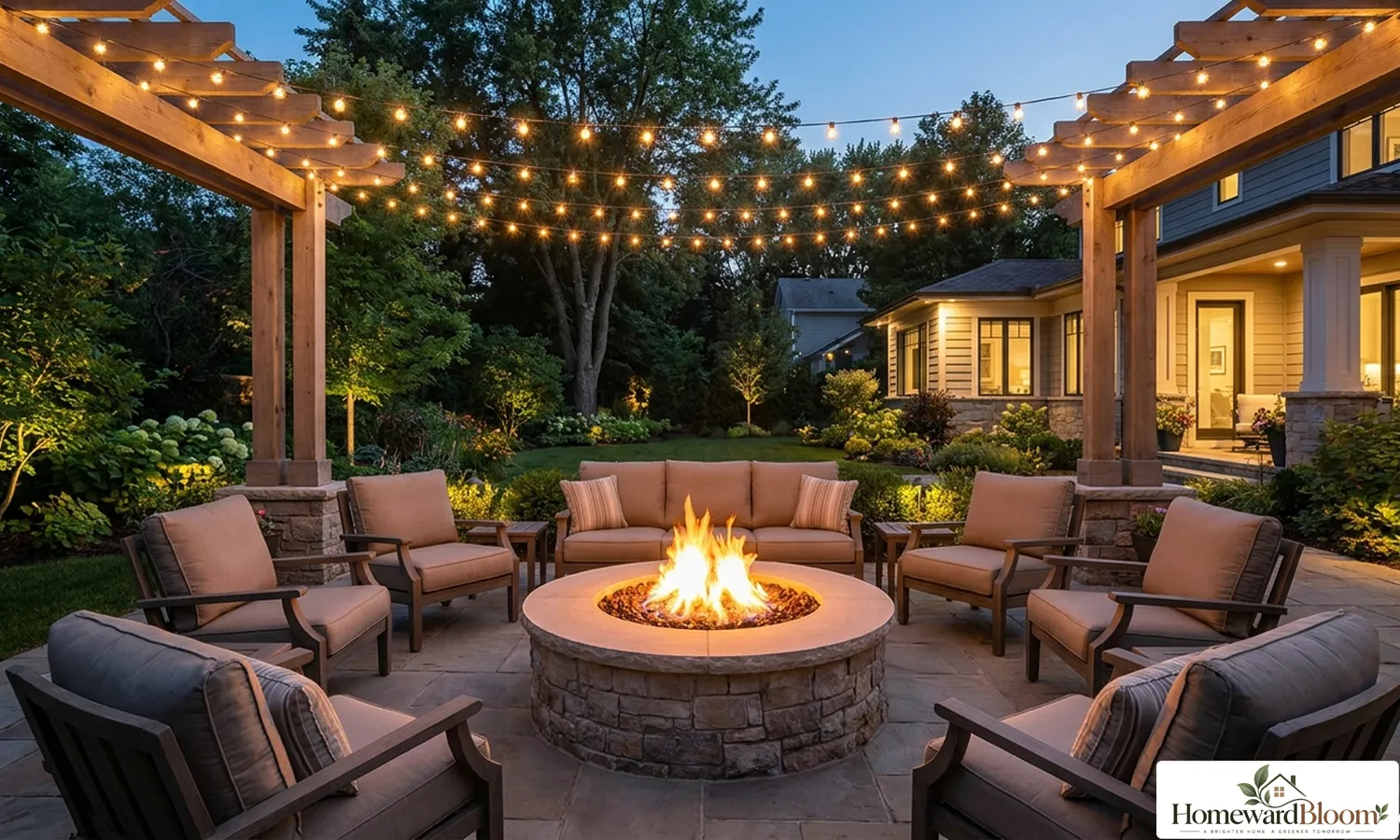
- Full Fire Pit Area: A paver circle with a block pit and chairs. (The Single Best-Value Project: This creates a complete outdoor living room with the highest return on investment for lifestyle).
Budget Backyard Project Guides
Transitioning from individual projects to cohesive “living zones” is the hallmark of modern garden design.
4. Outdoor Kitchen Trends and 2026 Entertaining
The trend for 2026 is moving away from massive, built-in “mega-kitchens” toward functional, integrated “prep stations” that blend into the wider garden room.
2026 Trend Checklist:
- [ ] Integrated Prep Stations: Using repurposed potting benches or treated timber to create surfaces near the grill.
- [ ] Bar-style Seating: Creating casual, high-top areas for guests to linger while food is prepared.
- [ ] Kitchen Proximity: Siting the outdoor zone near the indoor kitchen to facilitate food and beverage flow.
This shift prioritises social interaction over expensive hardware, ensuring the cook remains part of the gathering.
5. Illuminating the Night: Party Lighting Setups
Professional lighting avoids the “Floating Island Effect”—the mistake of lighting only one spot, like a table, while the rest of the garden disappears into a black void.
Lighting Layout Recipes:
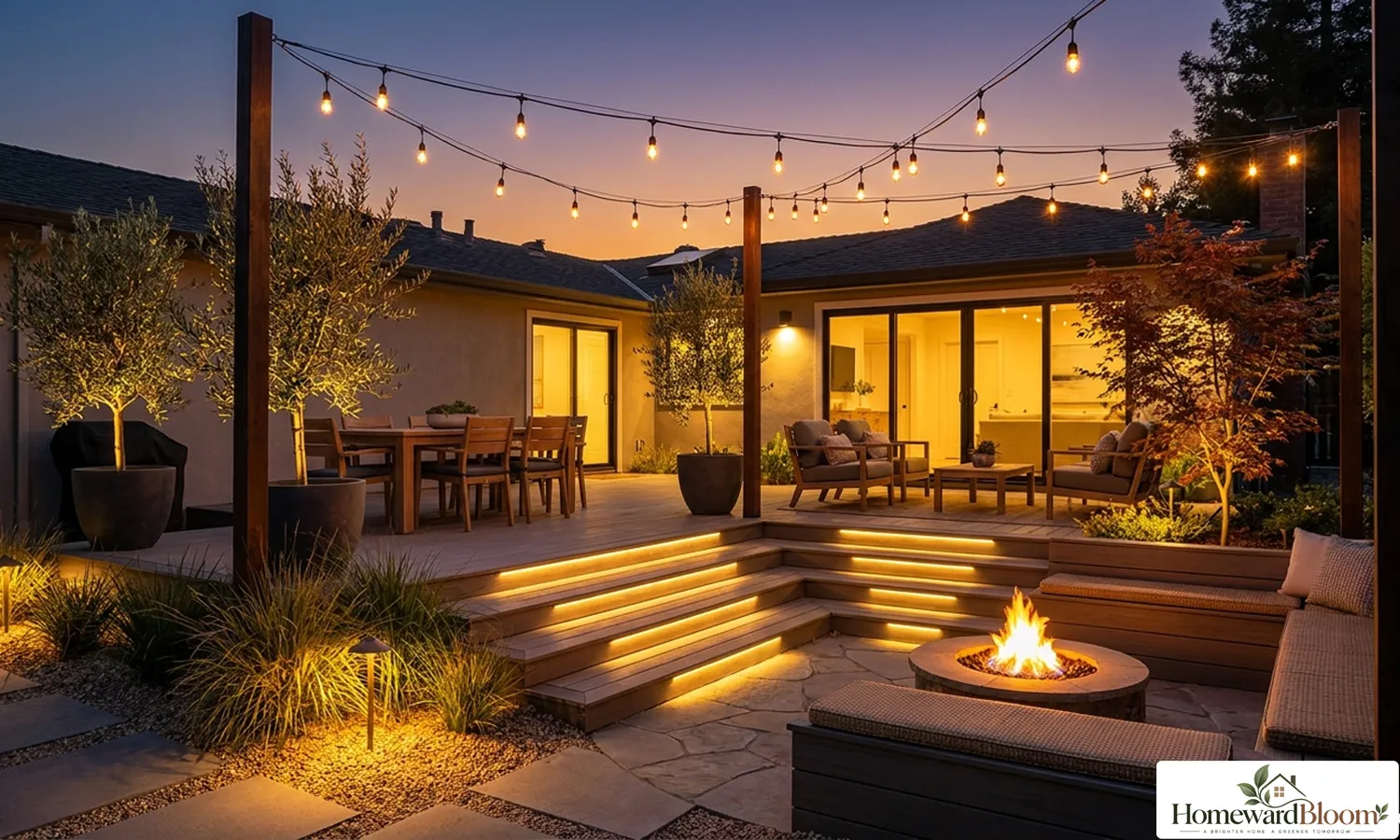
- The Dining Recipe: An overhead bistro canopy for a warm glow, paired with low-level pathway lights.
- The Lounge Recipe: Low-draped café lights for intimacy, combined with tree “uplighting” for drama.
- The Full-Yard Recipe: Architectural “washing” of house walls plus landscape accents to create depth.
Permanent Outdoor Lighting Solutions
6. Vertical Gardening and Low-Water Solutions
In smaller urban gardens, the only way to grow is up. Vertical gardening maximises greenery without sacrificing floor space.
How-to: Vertical Gardening Use arbours, trellises, and vining plants like trumpet vine or ivy to hide unsightly fences. These “living walls” provide privacy and soften harsh architectural lines.
Low-Water Alternatives for a Sustainable Garden:
- Low-Maintenance Turf: Choosing grass varieties that require minimal mowing and watering.
- Permeable Pavers & Gravel: Using porous materials for paths to allow water return to the soil.
- Native Rain Gardens: Planting water-loving native species in low spots to manage runoff.
Always consider your Microclimate. Plant selection must change based on the specific light, wind patterns, and soil conditions of your plot to ensure long-term success.
Minimalist Landscape Ideas for Small Spaces
7. Frequently Asked Questions (FAQ)
Choose low-maintenance grass varieties and use gravel or stepping stones for high-traffic areas to eliminate bald spots and reduce mowing requirements.
Use “layered” plantings. A mix of fencing, vertical trellises with vines, and large planters containing clumping bamboo creates a soft, green barrier rather than an oppressive wall.
Professionally installed systems offer far superior durability and weatherproofing compared to temporary lights, which often have visible cords and require frequent replacement. Permanent lighting provides a stronger long-term return on investment.
Conduct a site analysis and always locate utility lines (water, gas, and electric). Assessing soil drainage and sun patterns beforehand prevents costly mistakes and ensures your plants thrive.
8. Conclusion
The key to a beautiful garden is “doing fewer things well” and sticking to a consistent style. Your outdoor space is a blank canvas where your home’s technology meets the natural world. By following a clear blueprint of line, colour, and scale, you can create a garden room that serves as a functional, beautiful extension of your home for years to come.
Comment on “Backyard Ideas: 30 Beautiful Ways to Transform Your Outdoor Space”