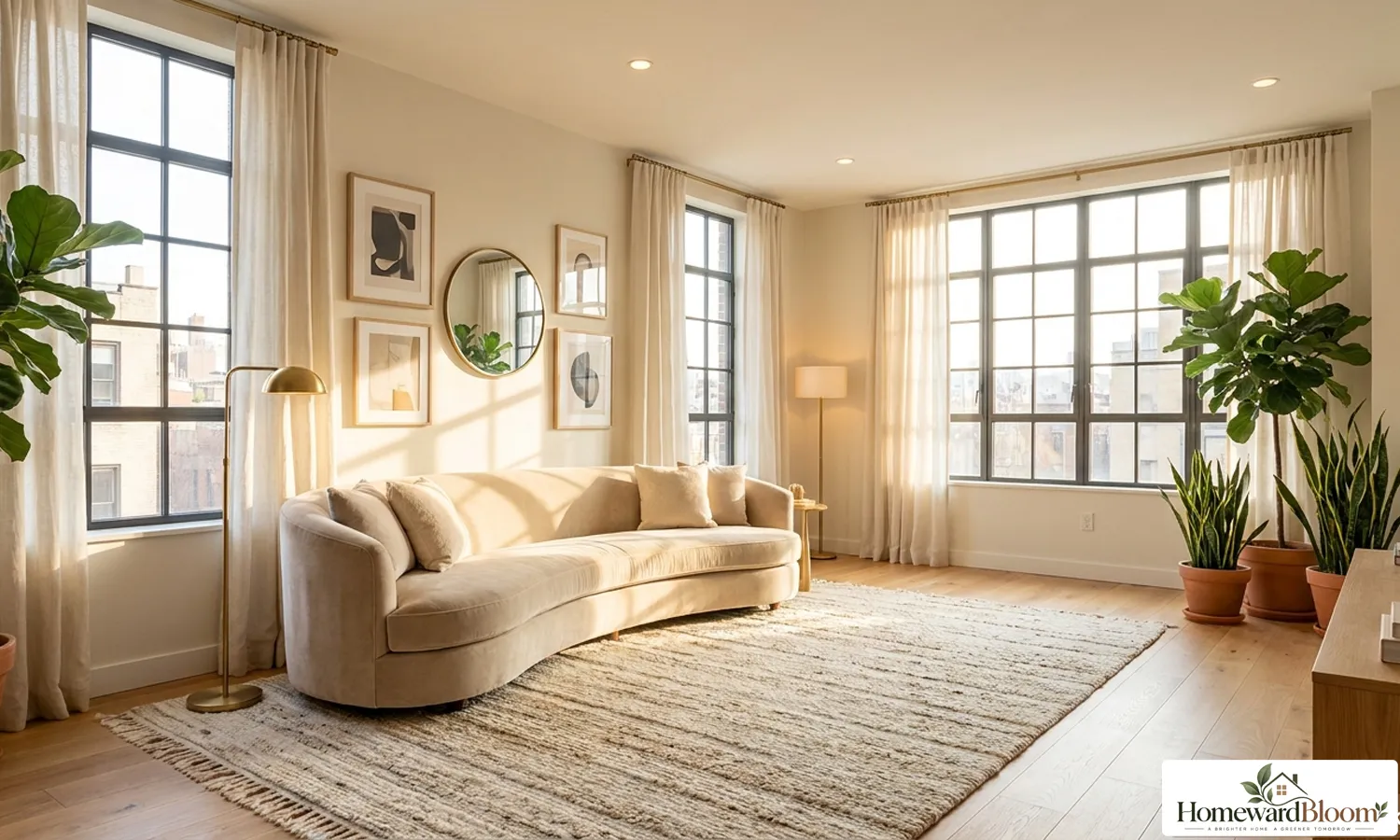
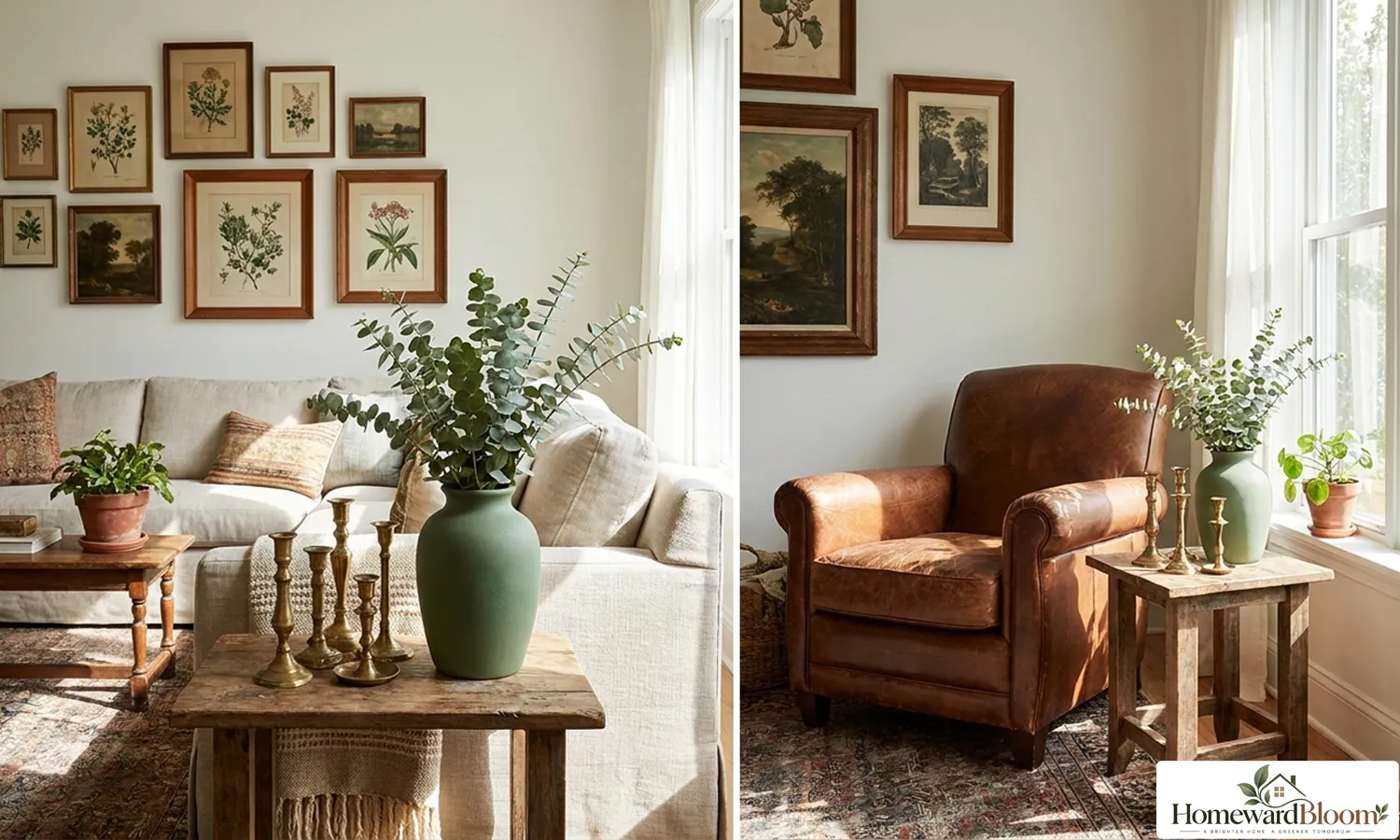
High-end interior design does not require a luxury budget when you master the art of secondhand shopping. With a keen eye for quality materials and simple restoration techniques, low-cost thrift store items can easily pass for custom boutique decor. Upcycling secondhand goods reduces landfill waste and allows homeowners to create unique, character-rich spaces on a modest budget. According to the U.S. Environmental Protection Agency (EPA), reusing and repurposing existing household items is one of the most effective ways to conserve natural resources while reducing personal consumption.
When you shop for thrifted home decor, you gain access to unique craftsmanship and historic design styles that modern mass-market retailers rarely replicate. Transforming pre-loved goods into showstopping display pieces requires knowing where to look, how to identify hidden value, and which cleaning and painting methods deliver durable results. This complete guide walks you through every stage of the upcycling process—from navigating store inventory schedules to executing professional spray paint finishes and curating gallery wall displays.
Key Takeaways
- Shop Strategic Windows: Visit thrift stores Monday through Wednesday mornings to access freshly stocked weekend donations and new color-tag markdowns before resellers arrive.
- Verify Quality Materials: Look for solid hardwoods, heavy metals, real marble, and official maker’s marks rather than lightweight plastic or mass-produced items.
- Sanitise Safely: Deep clean ceramics with dish soap, eliminate glass fog with denture tablets, disinfect soft goods with laundry sanitizer, and seal smelly wood furniture using specialized stain-blocking primer.
- Transform with Technique: Elevate cheap silhouettes using matte spray paint, chalk paint with white wax, Dremel modifications, and Rub ‘n Buff metallic accents.
- Curate Intentional Displays: Build gallery walls around an anchor piece, incorporating an eclectic mix of thrifted frames, vintage plates, and wall sconces.
Thrift Stores vs. Antique Shops: What Is the Difference?
Thrift stores sell uncurated, donated items at low prices, while antique shops offer curated, higher-priced vintage goods selected by professional dealers.
Understanding where you are shopping prevents frustration and sets realistic expectations for your budget. Mainstream thrift outlets like Goodwill, Salvation Army, and Savers rely entirely on public donations. Inventory changes daily, and prices remain minimal because items are sold as-is without prior cleaning or curation.
In contrast, antique shops and vintage malls feature individual vendor booths. Booth owners research, clean, and stage items specifically for collectors. While antique malls save you time when searching for specific historical eras, thrift stores offer superior financial savings for DIY upcycling projects.
| Feature | Standard Thrift Stores | Antique Shops & Vintage Malls |
|---|---|---|
| Pricing | Low, fixed, tag-discounted | Higher, curated market values |
| Inventory Source | Direct public donations | Professionally sourced & curated |
| Item Condition | As-is, dirty, unvetted | Cleaned, restored, or display-ready |
| Best Used For | Upcycling, craft blanks, flips | Finding rare, turn-key collectibles |
When Is the Best Time to Go Thrifting for Home Decor?
The best time to shop for thrifted home decor is early in the week between Monday and Wednesday, right when stores open in the morning.
Shopping during these off-peak windows gives you direct access to fresh inventory rolled out after weekend donation rushes. According to research from Thrifted Touch, weekend donations take 24 to 48 hours for store staff to process, price, and place onto sales floors. Early weekday shoppers also get first access to newly rotated weekly color-tag discount sales.
Optimal Shopping Hours
- At Store Opening (8:00 AM – 10:00 AM): Employees roll out newly processed carts first thing in the morning when aisle traffic is minimal.
- One Hour Before Closing: Stores frequently stage inventory carts in evening hours for the next morning’s stocking crew, giving night owls an early look.
- First Day of Color-Tag Sales: Visit on Monday mornings when tag markdowns rotate to secure 50% to 75% discounts on newly categorized inventory.
Times to Avoid
- Weekends: Saturday and Sunday bring heavy crowds, picked-over shelves, and long checkout lines that distract staff from restocking shelves.
- Senior Discount Days: These promotional days create congested aisles and slow-moving checkout queues.
- 50% Off Entire Store Sales: Storewide clearance events trigger aggressive crowds and reseller frenzies, leaving shelves chaotic and stripped of quality items.
How Do You Spot Valuable Vintage Items at the Thrift Store?
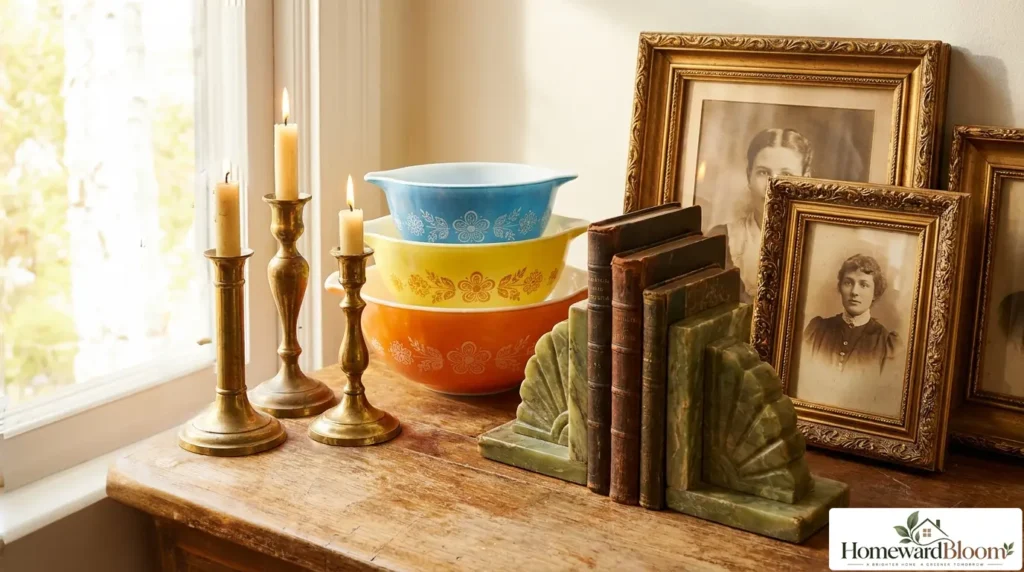
Spotting valuable vintage items requires inspecting structural joinery, material density, maker’s marks, and surface construction rather than relying on current appearance.
Mass-produced modern decor relies heavily on lightweight particleboard and synthetic resin, whereas authentic vintage pieces feature heavy metals, solid hardwoods, and hand-applied craftsmanship. According to analytical guides published by FinanceBuzz, learning to identify subtle stamps and material traits helps shoppers spot high-value treasures hidden on crowded shelves.
1. Check for Stamps, Maker’s Marks, and Labels
Inspect the undersides of pottery, glassware, furniture, and silver pieces for engraved or stamped identifiers. Stamped brands like Pyrex, Fiestaware, Lenox, Dansk, and Le Creuset maintain strong resale demand. For silver platters and bowls, search for maker’s marks such as “Sheffield, England” stamped into the base. The Smithsonian Institution offers extensive archival guides on historic American ceramics and manufacturer hallmarks for identifying antique pieces.
2. Identify Solid Wood Construction
Avoid particleboard and hollow laminate by examining furniture joinery. Look for dovetail joints in drawer construction, hand-carved wood details, and dense hardwoods like walnut, oak, and teak. As A Home Is Announced notes, vintage wooden chairs—such as classic Thonet bentwood models—can often be purchased for under 0 despite retailing for significantly more.
3. Perform the Solid Brass Magnet Test
To verify if an item is solid brass rather than brass-plated steel, place a strong magnet against its surface. Solid brass is non-magnetic. If the magnet sticks, the item is made of iron or steel with a thin brass coating. Solid brass items—such as candlestick holders, planters, and frame easels—can be easily polished back to a bright shine.
4. Lift Items to Gauge Material Weight
Quality manufacturing is directly tied to weight. Lift decor items to feel for dense natural stone, solid marble, thick blown glass, or heavy metals. Real marble bookends, alabaster bowls, and cast iron pans carry a distinct heft that modern plastic imitations cannot duplicate.
5. Inspect Vintage Kitchenware and Cookware
Seek out enamelware, cast iron skillets, and vintage Pyrex mixing bowls in bold retro colors. Smooth cooking surfaces on older cast iron pans indicate superior vintage casting methods compared to modern rough finishes.
6. Examine Vintage Costume Jewelry
Look past tarnished metal to inspect the weight, clasps, and stone settings of costume jewelry. Pieces by historic designers like Trifari, Monet, Weiss, and Sarah Coventry feature sturdy handset rhinestones and clip-on mechanisms that collectors value.
How Can You Deep Clean and Sanitise Second hand Decor?
To deep clean secondhand decor, match the cleaning agent to the specific material to remove dirt, bacteria, and mold without damaging the item.
Thrift store finds often arrive home covered in dust, nicotine residue, or lingering odors. Establishing a systematic cleaning routine ensures every item is safe and hygienic before being integrated into your living space.
Cleaning Hard Surfaces: Glass, Metal, and Ceramics
- Standard Soap Wash: Wash ceramic vases, glass jars, and metal accents in warm water mixed with mild liquid dish soap using a soft sponge.
- Cloudy & Foggy Glass: Fill hazy glass vases or decanters with warm water and dissolve two denture cleaning tablets inside to dissolve mineral film.
- Hard Water Stains: Remove stubborn brown mineral deposits inside ceramic planters by soaking them in Calcium, Lime & Rust (CLR) remover.
- Restoring Tarnished Silver & Brass: Scrub away heavy tarnish on brass or silver platters using dedicated metal polish creams to reveal the original shine.
Cleaning Soft Goods, Linens, and Baskets
According to home organization guide Whiskey & Whit, sanitizing soft goods requires products that eliminate bacteria without bleaching delicate fabrics.
Sanitizing Wooden Cutting Boards
Thrifted wooden cutting boards require deep bacterial disinfection before kitchen use. Guidelines from The Rural Legend emphasize that wooden boards should never be fully submerged or soaked in water, as this causes warping and cracking.
- Scrub with Lemon and Salt: Sprinkle kosher salt heavily over the board, cut a fresh lemon in half, and use the lemon as a scouring pad to scrub the surface.
- Apply Vinegar & Baking Soda Paste: For tough stains, apply a paste of baking soda and white distilled vinegar, scrub gently, and rinse thoroughly.
- Condition with Food-Safe Mineral Oil: Once fully air-dried, apply food-grade mineral oil along the wood grain using a soft rag, letting it absorb for 10 minutes before wiping away the excess.
Eliminating Musty Odors from Vintage Wood Furniture
Vintage wooden dressers and chests often carry a pungent, musty basement odor caused by trapped moisture and fungal spores. As outlined by home blogger Sarah Joy, five distinct treatments eliminate unwanted odors based on severity:
- Dryer Sheets (Mild Odors): Place scented dryer sheets inside drawer compartments to mask faint mustiness.
- Baking Soda Bowls (Moderate Odors): Set open bowls of baking soda or carpet deodorizing powder inside closed drawers for 7 to 14 days to absorb trapped odors.
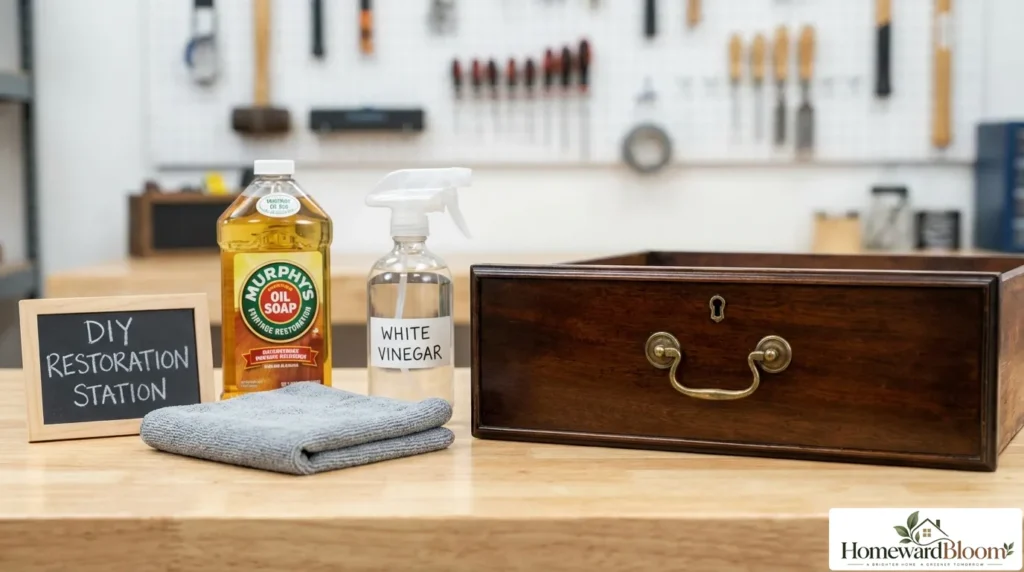
- 50/50 Vinegar Spray (Persistent Odors): Spray an equal mixture of white distilled vinegar and water inside wood cavities; the vinegar scent dissipates completely as it dries, neutralizing bacteria.
- Murphy’s Oil Soap (Surface Grime): Wipe down interior and exterior cabinet wood with full-strength Murphy’s Oil Soap on a microfiber cloth to strip accumulated grime and nourish dry wood fibers.
- KILZ Multi-Surface Primer (Severe Odors): For extreme smells that resist cleaning, paint the unvarnished interior drawer cavities with a coat of KILZ Multi-Surface Primer to seal off odor emissions permanently.
How Do You Upcycle Thrifted Decor with Spray Paint and DIY Techniques?
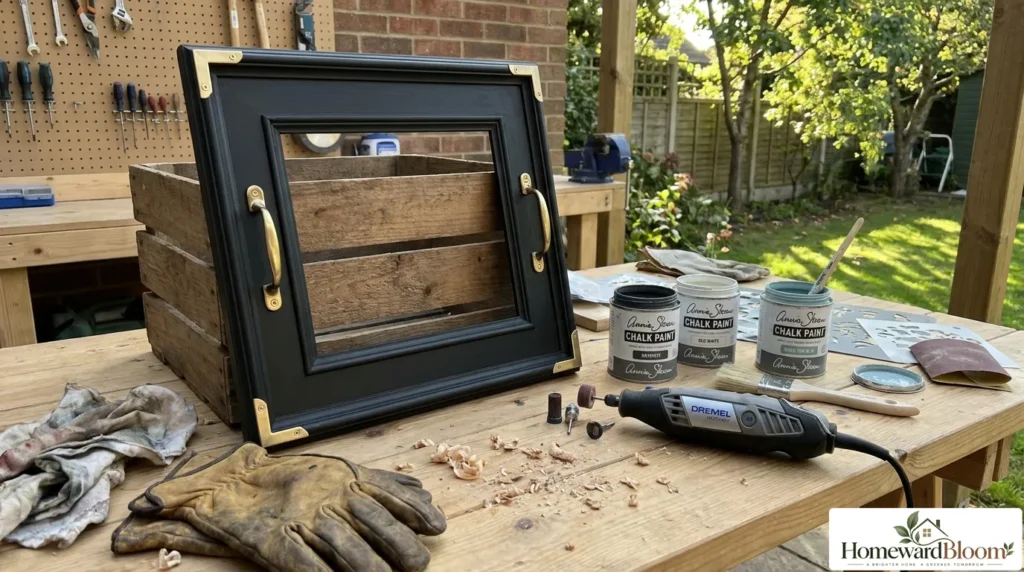
To upcycle thrifted decor with spray paint, clean the item, lightly sand glossy surfaces, apply primer, and spray multiple thin coats from 8 to 10 inches away.
Spray paint offers an accessible, low-cost method to transform dated secondhand items into sleek, modern accents. Taking time to prepare surfaces correctly prevents paint runs, chipping, and uneven textures.
Spray Painting Step-by-Step Protocol
- Surface Preparation: Clean off grease, dust, and sticker residue. Lightly sand high-gloss coatings with fine-grit sandpaper so new paint adheres securely.
- Apply Primer: Coat raw wood, smooth metals, and plastics with a dedicated spray primer to prevent peeling.
- Sweeping Spray Application: Shake the spray can vigorously for at least 60 seconds. Hold the nozzle 8 to 10 inches away from the object and apply paint using smooth, side-to-side sweeping motions.
- Multiple Thin Coats: Apply two to three ultra-thin coats rather than one heavy layer. Allow each layer to dry fully to prevent runs and tacky surfaces.
- Protective Topcoat: Finish high-use items—such as trays, lamps, and handles—with a clear matte or satin protective sealer.
Advanced Upcycling Hacks for Designer Style
Creative upcycling techniques from design tutorials showcase how simple tools and material transformations can elevate cheap thrift items into high-end art:
- Altering Item Silhouettes: Use a rotary tool (such as a Dremel) to cut away awkward, mass-produced features on cheap resin or wooden decor. Gluing ceramic figurines onto basic resin candlestick pillars instantly creates a taller, custom focal point.
- Faux Stone & Antique Plaster Finishes: Cover cheap ceramic figurines or resin statues with mineral-colored chalk paint. Once dry, brush a heavy coat of white wax over the surface and gently dab away the excess with a rag to mimic aged plaster or carved stone.
- Rub-On Transfers and Distressing: Apply floral rub-on transfers across painted wood boxes or urns. Lightly buff the edges with extra-fine steel wool to create a smooth, naturally aged vintage patina.
- Rub ‘n Buff Metallic Highlights: Disguise cabinet seams by gluing beaded trim around a box, painting it to match, and brushing metallic gold Rub ‘n Buff paste over each bead to duplicate expensive antique inlay.
How to Build a Stunning Thrifted Gallery Wall on a Budget
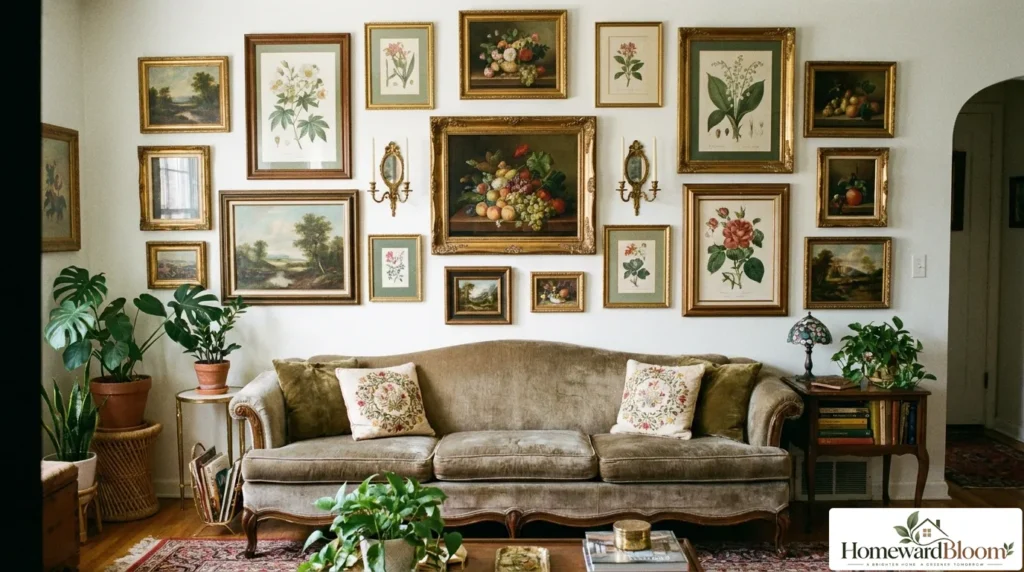
Build a budget-friendly thrifted gallery wall by selecting one large central anchor frame, gathering diverse vintage frames, laying out the arrangement on the floor, and mounting the collection with damage-free adhesive strips.
Gallery walls provide an ideal showcase for collected secondhand treasures, combining framed art with tactile wall objects. Detailed design advice from interior blog Sleek-chic Interiors highlights that mixing frame materials creates a dynamic, designer-curated focal point.
Steps to Curate a Gallery Wall
- Establish an Anchor Piece: Begin your collection with one large focal frame that grounds the entire wall display.
- Test Layouts on the Floor: Lay out your collected frames, mirrors, and wall objects on the floor first. Rearrange items until you achieve a visually balanced composition before driving nails into the wall.
- Mix Frame Shapes, Sizes, and Textures: Combine carved dark wood frames, ornate gilded brass frames, and simple thin profiles. Incorporate matting to give digital printouts a refined, custom look.
- Incorporate Non-Frame Wall Accents: Break up rectangular frames by hanging vintage decorative plates, brass candle sconces, small tapestries, or antique hand bells.
- Utilize Printable Digital Artwork: Keep print costs low by downloading public domain artwork or inexpensive digital bundles from Etsy, printing smaller sizes on home printers, and using professional online print services for larger formats.
- Damage-Free Mounting: Secure lightweight and medium frames using heavy-duty Command picture hanging strips, making the project ideal for rental homes.
Frequently Asked Questions
To test if decor is solid brass, touch it with a magnet. Real brass is non-magnetic, so a magnet will not stick. If the magnet attaches firmly, the piece is made of brass-plated iron or steel. Solid brass can be polished repeatedly without wearing away the finish.
Clean woven baskets by submerging them briefly in a basin of warm water mixed with mild dish soap, scrubbing gently with a soft brush. Rinse thoroughly and dry outdoors in direct sunlight. For large baskets that exceed sink capacity, spray surfaces with an aerosol Lysol disinfectant spray.
Yes, spray paint adheres well to glass and ceramics when prepared correctly. Thoroughly wash the item, lightly sand glossy surfaces with fine sandpaper, and apply a coat of bonding primer. Finish with multiple thin coats of matte, satin, or stone-textured spray paint.
Remove musty smells by wiping cabinet interiors with Murphy’s Oil Soap or a 50/50 water and white vinegar solution. Place bowls of baking soda inside closed drawers for two weeks to absorb stubborn odors. For severe lingering smells, paint raw interior drawer wood with KILZ Multi-Surface Primer to seal in odors permanently.
Avoid upholstered furniture, mattresses, and plush stuffed animals that show signs of pest infestations, heavy staining, or unremovable padding odors. Always inspect structural joints, cabinet bases, and frame backs carefully before purchasing.
Conclusion
Upcycling thrifted home decor offers an affordable, sustainable approach to styling sophisticated living spaces using high-quality materials and simple DIY restoration techniques. By mastering store restock schedules, recognizing authentic vintage craftsmanship, thoroughly sanitizing secondhand finds, and applying creative paint techniques, you can transform low-cost thrift store discoveries into bespoke, designer-worthy home accents.
For further technical guidance on structural timber identification and wood restoration safety standards, consult the National Park Service Historic Preservation Guidelines.